
Expert Insights on Solar, Batteries and Power Bills
A collection of energy explainers, customer stories and industry perspectives from our crew here at Amber.
Categories:
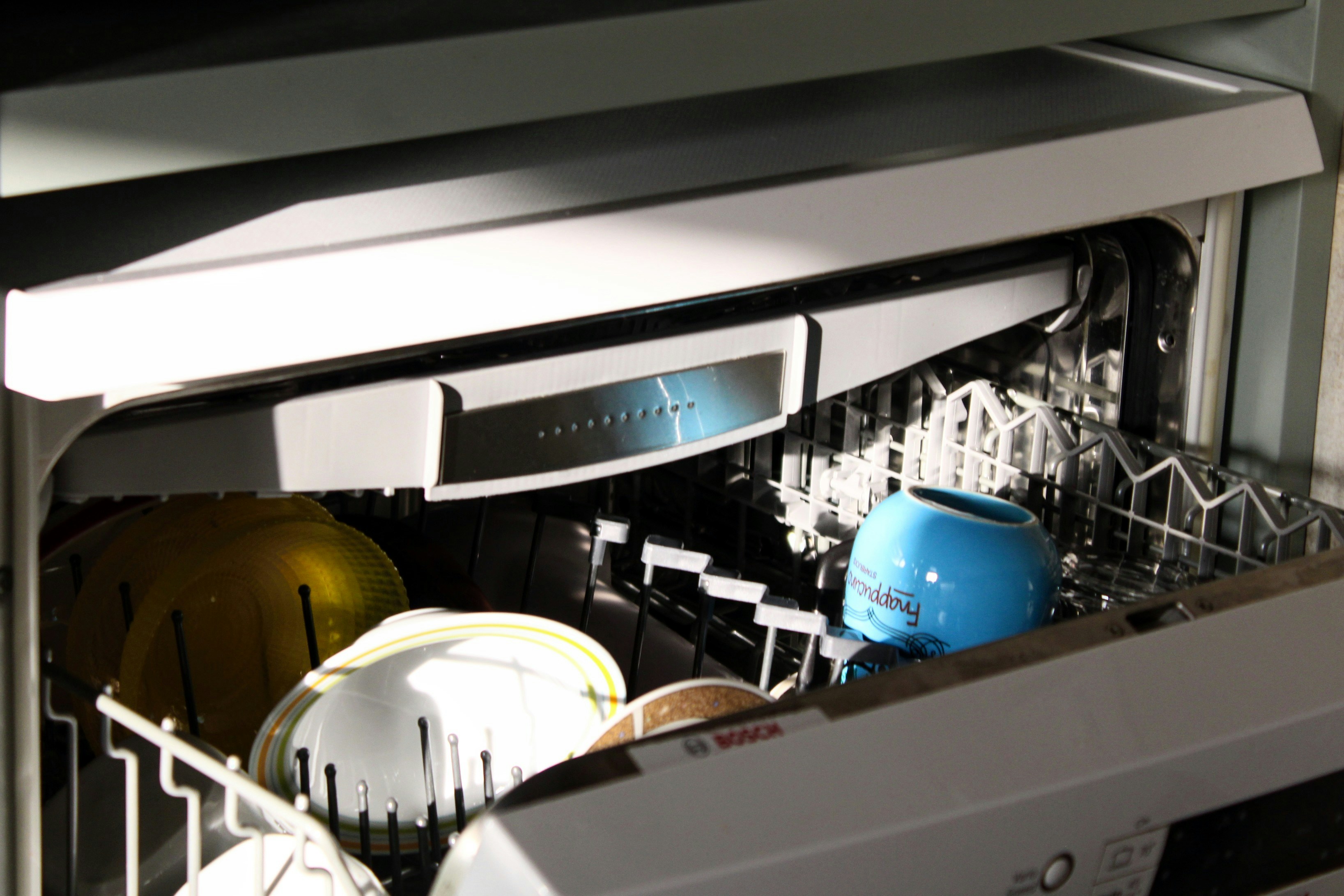
Most Australian homes with solar-only systems use around 28% of what they generate, according to Solar Victoria. The fastest fix costs nothing: shifting appliances into daylight hours can save around $330 a year. The bigger lever is usually your electricity plan, worth an extra $400 a year on average, and a battery can lift self-consumption to around 60% once the free changes are already in place.
The AFR reported last week that home battery installs have fallen sharply. Total capacity installed over the last three months is down almost 70 per cent from the April peak. But, the scheme hasn't ended. It's still running, and for most households it's still worth thousands of dollars off the price of a battery
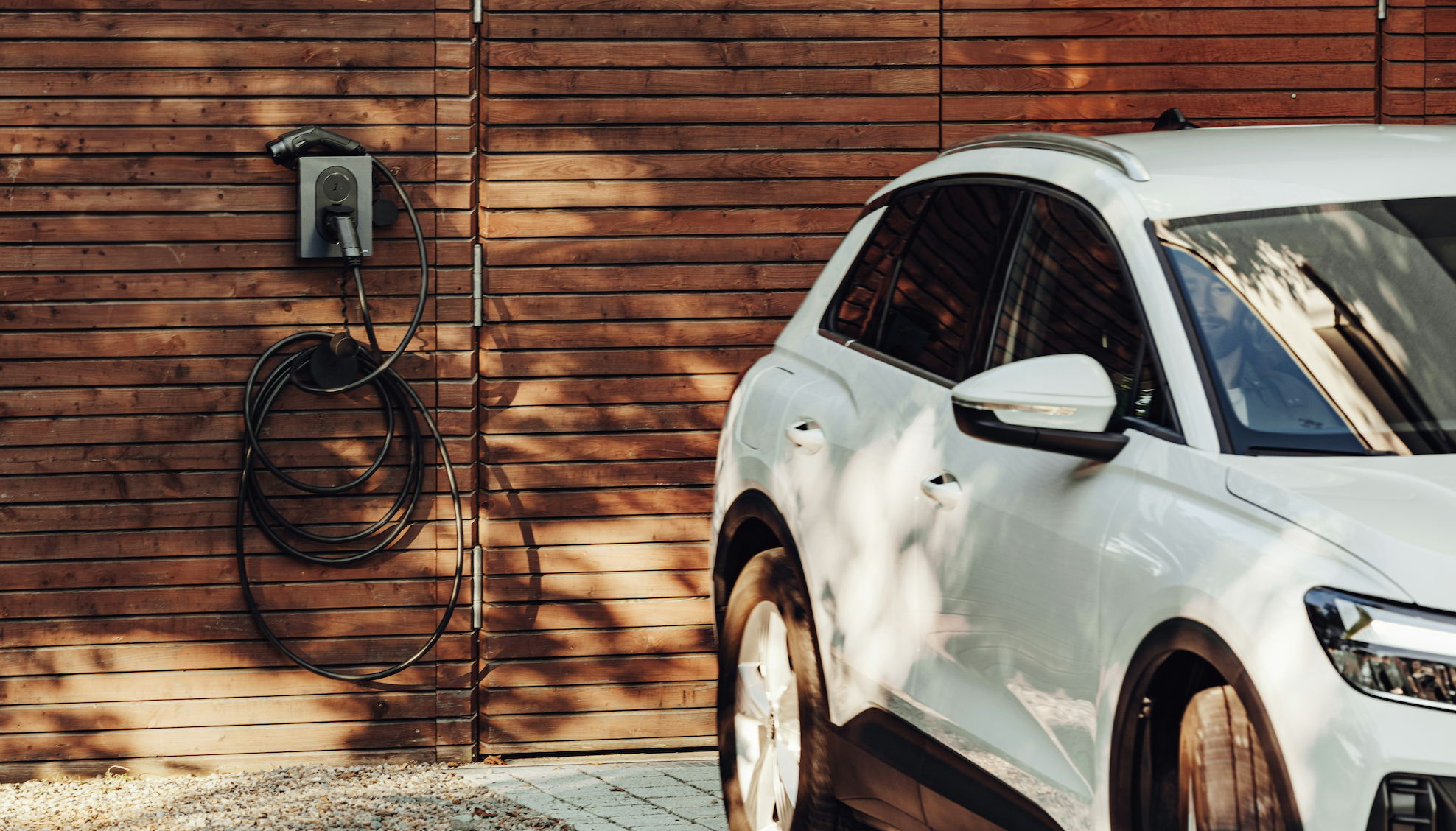
Amber for EVs, our automated charging feature that shifts your car's charging to the cheapest wholesale electricity windows, now supports all MG, XPeng and Audi models that have built-in connectivity, alongside Tesla, and is available to everyone from today.
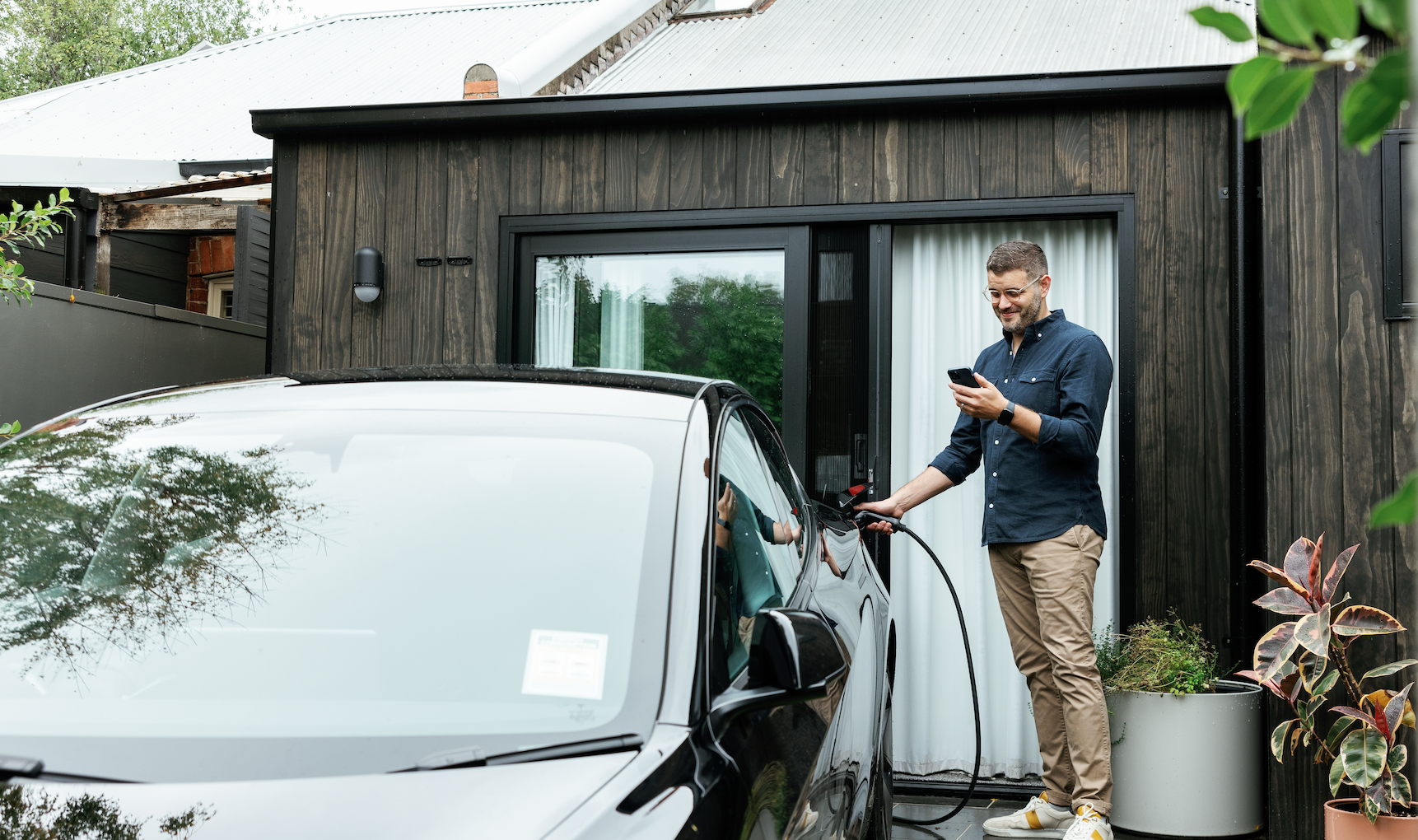
Amber's Senior Product Manager, Nicholas Wodzinski, spoke at the "EVs everywhere" session at Shape Shifters in Melbourne this week, a half-day event run by The Energy on how demand for electricity is changing. The session looked at EV growth and its impact on the grid, with a live Q&A from key industry leaders in the room. We wanted to share some of the insights with you too.
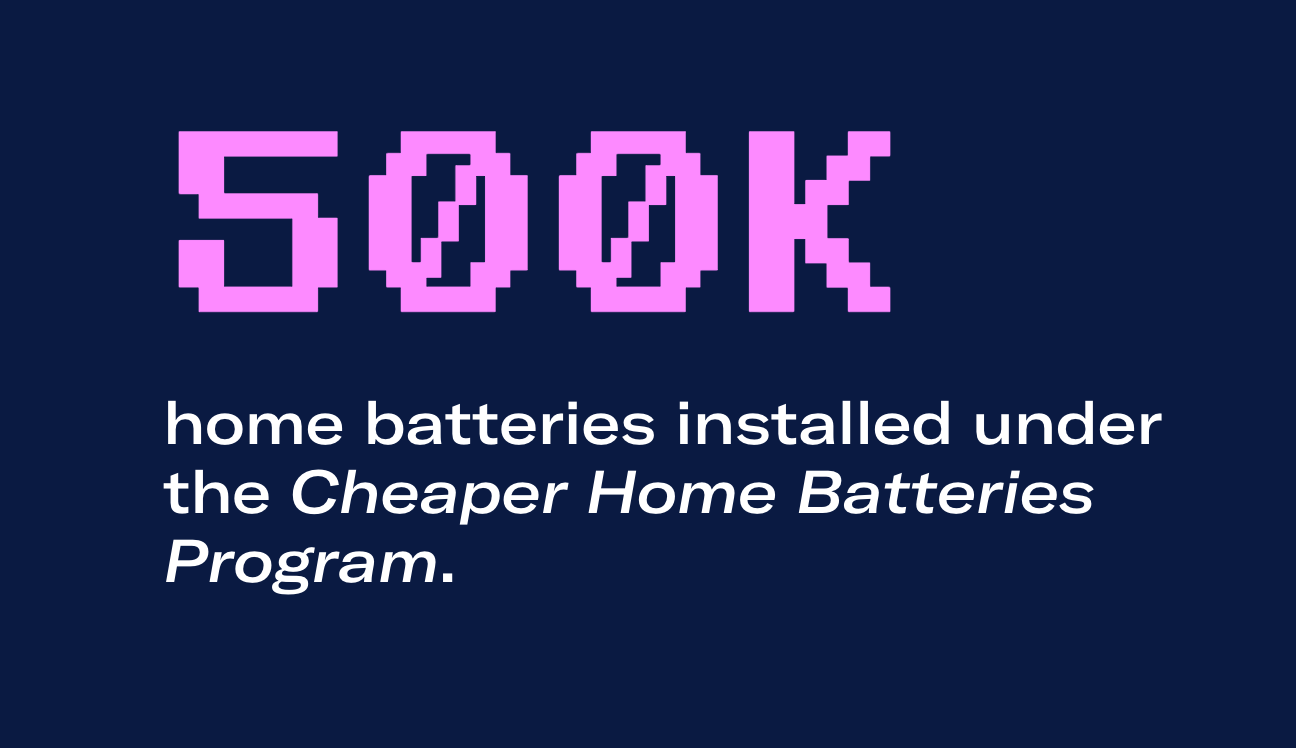
An exciting renewable milestone has been reached. More than half a million Australian homes have installed a home battery since 1 July 2025, when the Cheaper Home Batteries Program rolled out.
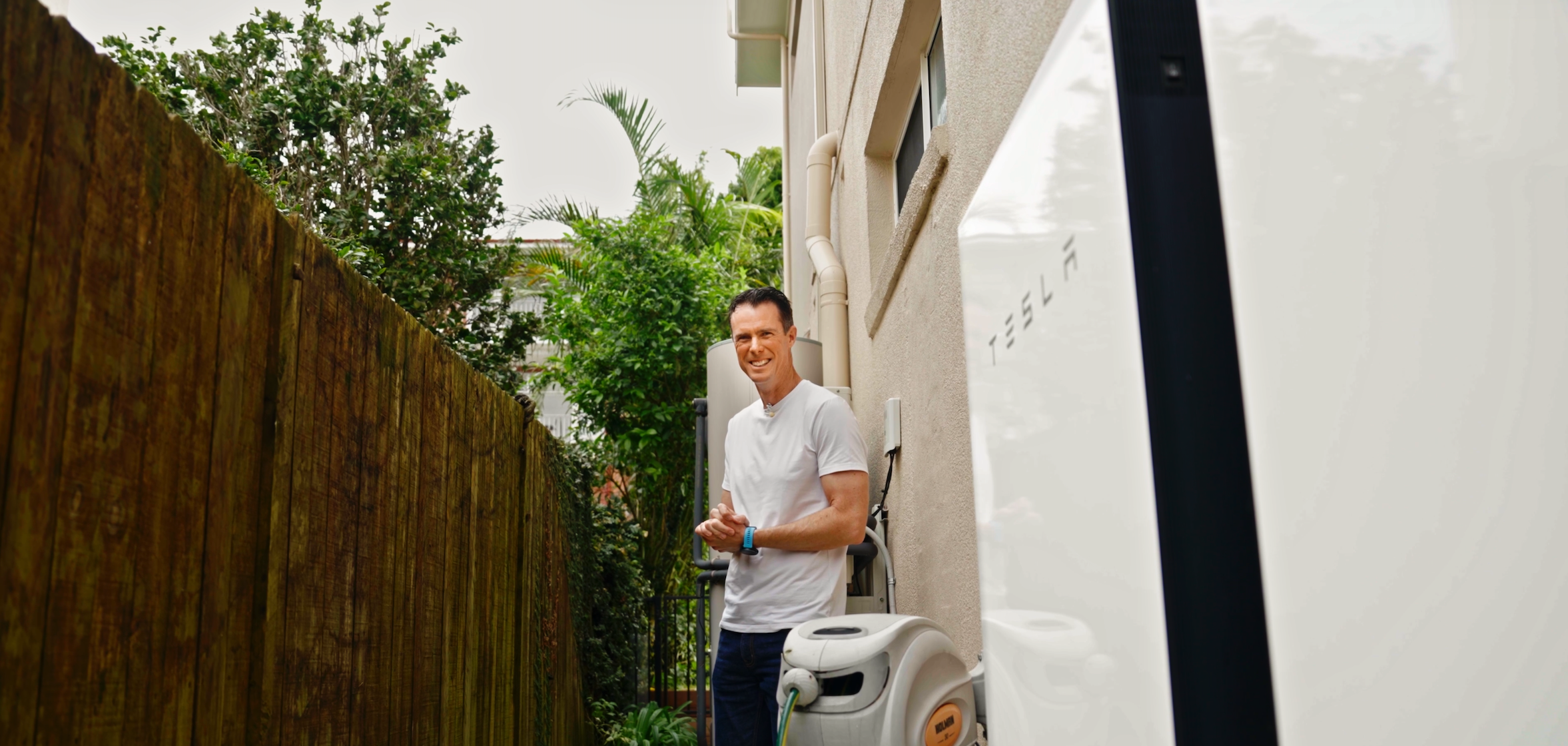
Energy Consumers Australia has just published a report on why Australians are buying batteries in droves, but signing up to virtual power plants in dribs and drabs. If you've ever looked at a VPP offer and thought "hang on, why would I hand my battery over for that?", the data says you're in good company.
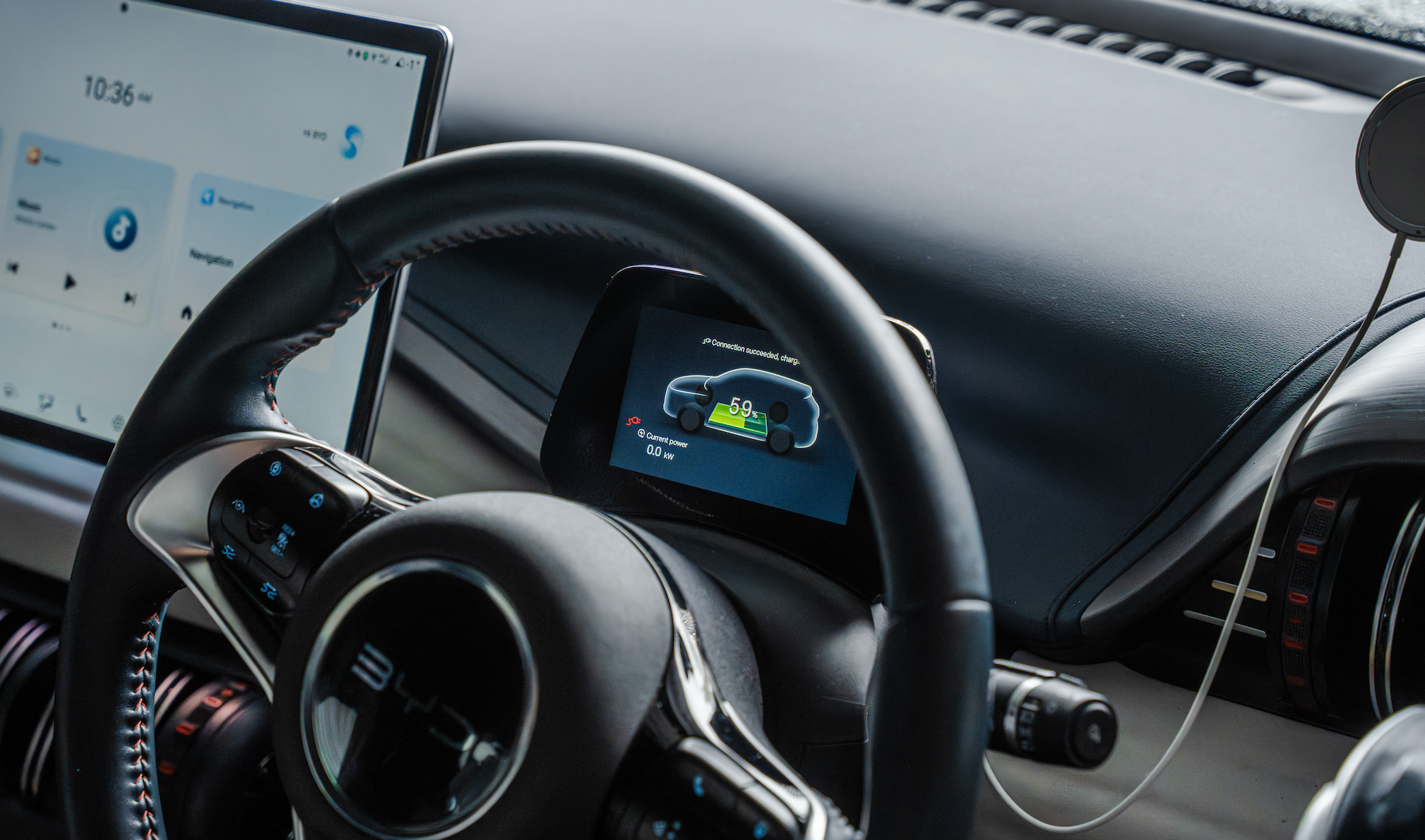
July was a strong month for Amber's V2X fleet. More chargers connected, a record spike day for exports, and most of the value coming from customers using stored EV energy to power their homes. Below is what drove each of those results, and what they suggest about where V2X is heading.

Short answer: no. Amber is not a virtual power plant, or VPP. Amber is an energy retailer that gives you direct access to wholesale electricity prices, with smart technology (SmartShift) that automates your home battery for you. It can look similar to a VPP from the outside, because in both cases your battery responds to the grid. But how the two models work, who's in control, and who keeps the money are very different.

Francis Clarke was one of the first Australians to use his EV as more than just a car. Three years into his V2G journey, he’s seen first-hand how an EV can power a home, reduce energy costs and even sell electricity back to the grid. Ahead of his presentation at the National Renewables in Agriculture Conference in Orange on 12 August 2026, Francis shares what he’s learned from being an early V2G user - and why he believes electric vehicles could play a much bigger role in Australia’s energy future.

Right now, SmartShift is quietly running the numbers on your battery. It's watching the wholesale market, checking the weather, and thinking about what your household is likely to do next, then turning all of that into a plan that gets the most value out of every kilowatt hour you store. From the outside, all you see is a battery that charges when power is cheap and happens to be full when prices spike. There's a fair bit of thinking behind that, so let's walk through how it actually works.

A home battery is one of the bigger purchases most Australian households will make for their energy setup, so it's fair to want it to be earning its keep. The good news is that your home battery's return on investment isn't fixed at the moment of installation. Two things decide it: what your battery is allowed to do, and what each kilowatt hour is worth when it does it. Get both right and the battery payback period shrinks considerably. Most battery owners have only ever tackled the first one, by letting the battery cover their evening usage. The second one, what each kilowatt hour is actually worth, is where the bigger gains sit.

Since February, war in the Middle East has been disrupting oil shipments through the Strait of Hormuz, and electricity prices in the European Union and Japan have jumped around 30 per cent as a result. Australia's wholesale electricity prices did the opposite. They fell by about 30 per cent year on year in the first half of 2026. But have these changes showed up in your energy bill?


